
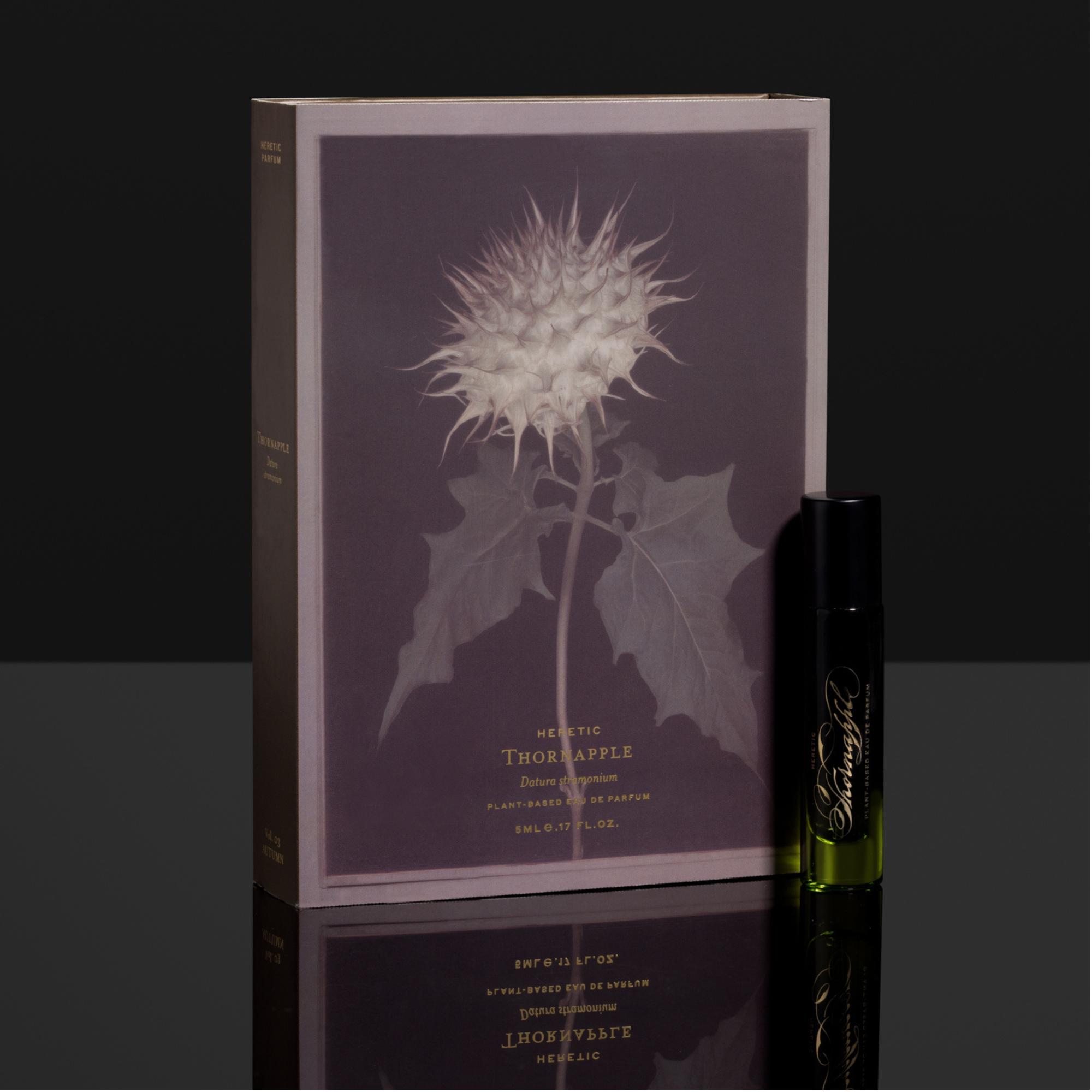
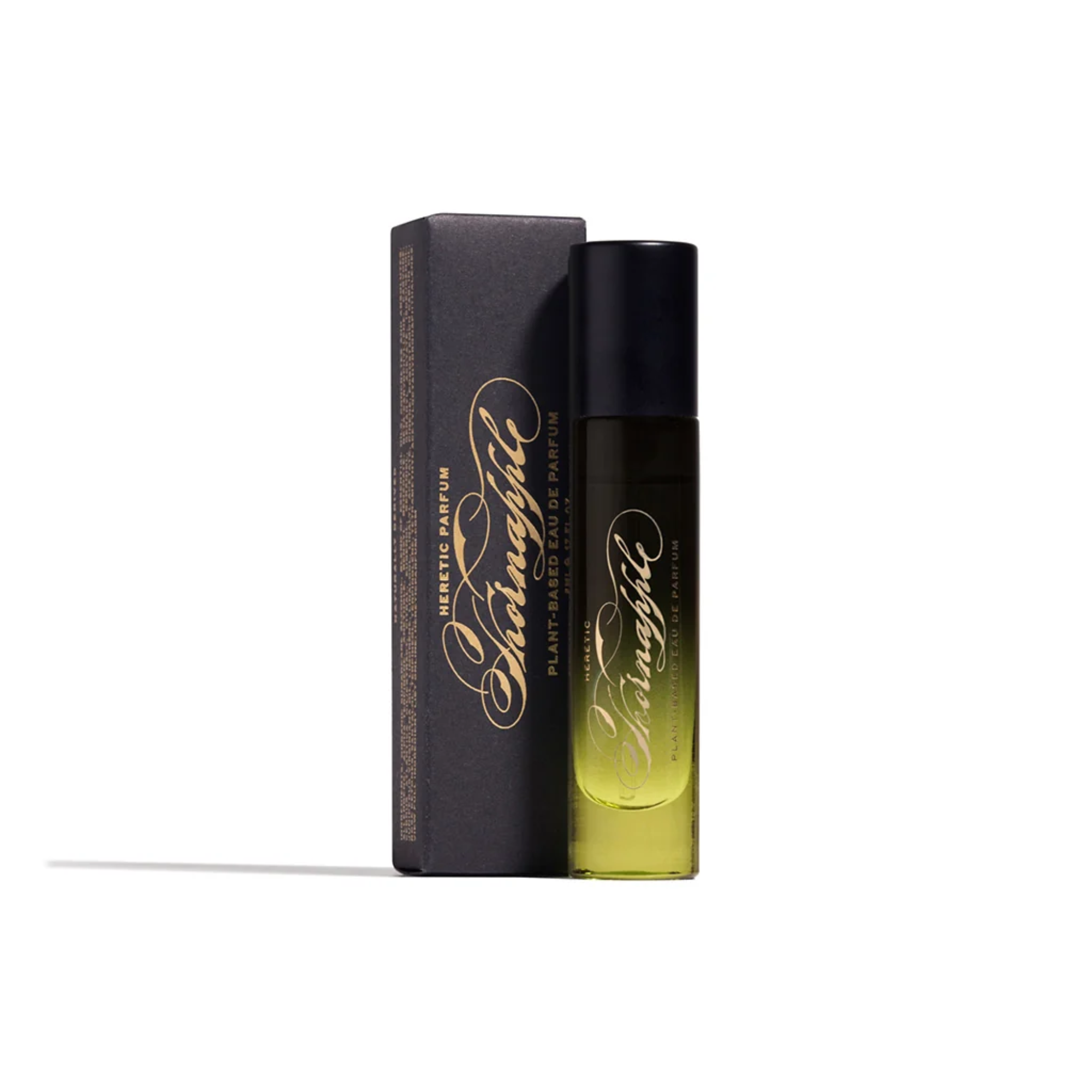
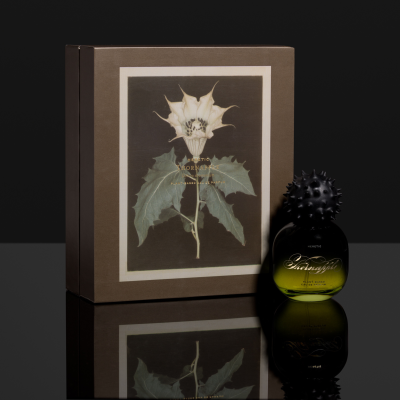
“I’ve always thought of poisonous plants as the punk rockers of the botanical world. They exist on the fringe. They refuse domestication. They are beautiful without asking permission. Dangerous without apology. They remind us that nature is not here to comfort us. Thornapple – Datura – may be the greatest rebel among them. For centuries this moonlit bloom has occupied the threshold between medicine and poison, beauty and danger, dream and delirium. Its flowers unfurl under moonlight like ivory trumpets announcing some forbidden ceremony. Its spiky armoured fruits resemble medieval weapons. Its scent is intoxicating. Its history is soaked in magic, medicine, madness, and myth.” – Douglas Little
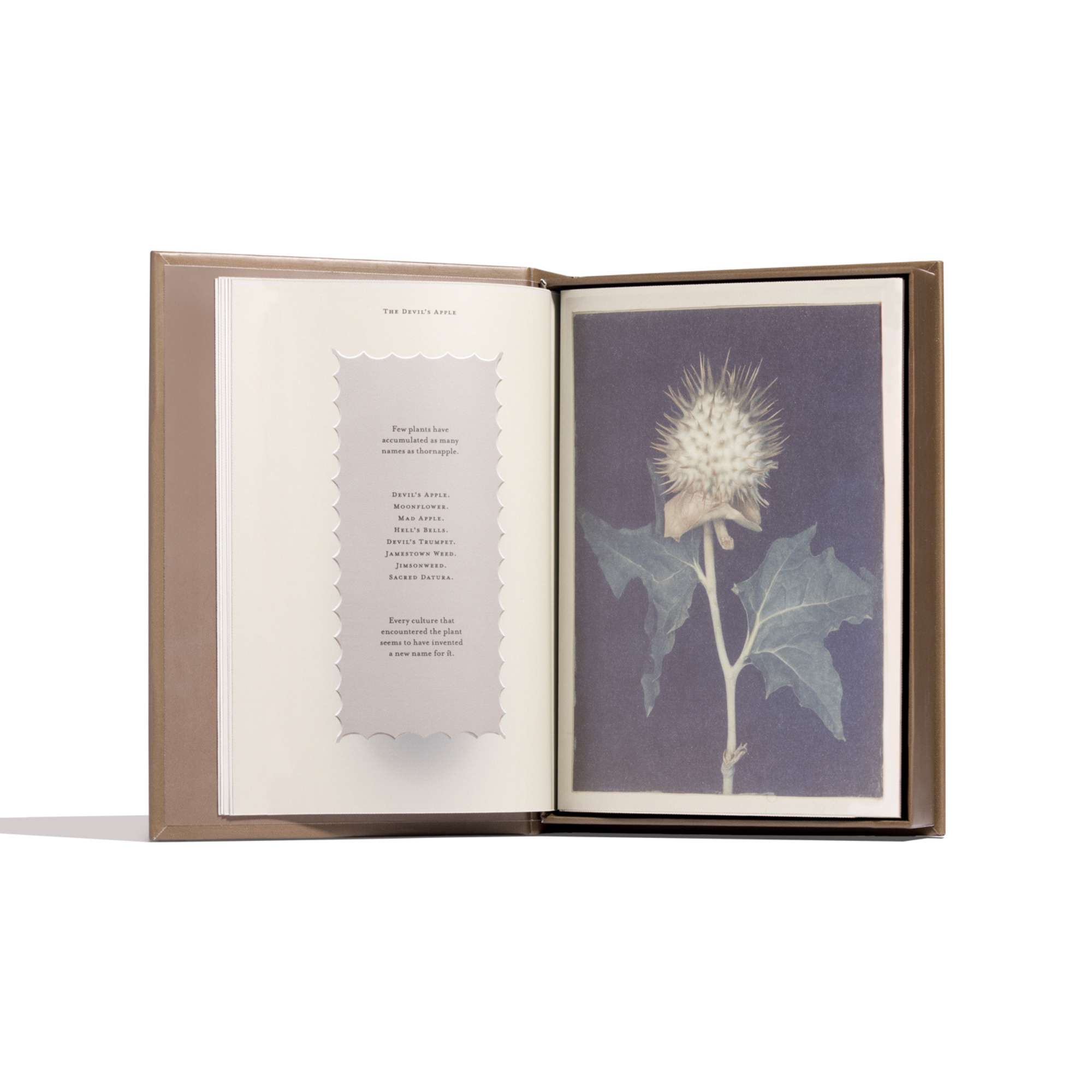
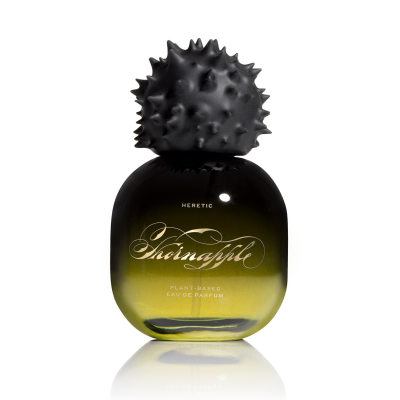
The name “thornapple” comes from the Datura plant’s remarkable fruit, an egg-sized capsule armoured with sharp spines. These strange seed pods look less like fruit than artifacts recovered from a witch’s cabinet or an alchemist’s laboratory.
For centuries, this mysterious plant has occupied a privileged position in the folklore of witchcraft. It appears repeatedly in medieval accounts of herbal preparations allegedly used by witches, shamans, and cunning folk throughout Europe. It has long been investigated by healers, physicians, shamans, occultists, and explorers. Its effects have been described with a mixture of fascination and horror. Those who encountered these plants reported vivid visions, sensations of flight, conversations with spirits, encounters with animals that spoke, journeys to impossible places, and dreams indistinguishable from waking life.
Perhaps the true power of thornapple lies not in chemistry, folklore, or history. Perhaps its power lies in what it represents. The untamed. The beautiful unknown.
In an age where nearly everything can be explained, mapped, catalogued, and understood, thornapple remains gloriously elusive. Its flowers still open beneath the moon. Its stories still circulate through occult books and whispered conversations. Its enchanted fruits still resemble artifacts from another world. And its presence still inspires awe. This fragrance is an homage to that feeling.
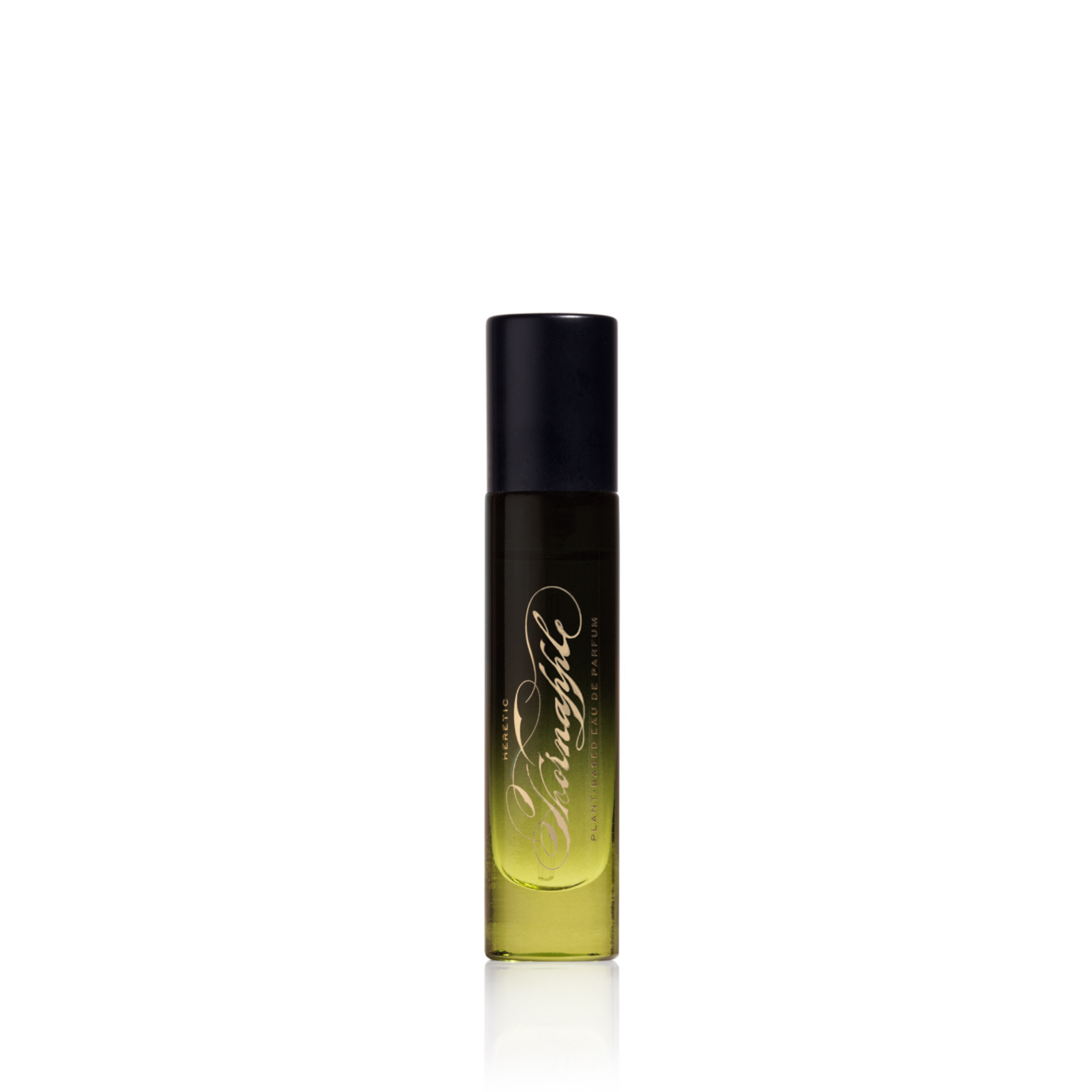
Thornapple Eau de Parfum does not contain any poison and is not a literal portrait of Datura.
NOTES
Top (The Temptation): Apple Accord, Green Leaves, Cardamom, Saffron
Middle (The Delirium): Black Tea, Dark Plum, Labdanum, Frankincense
Base (The Spell): Oakmoss, Vetiver, Ambered Woods, Skin Musk
PERFUMER
Douglas Little
HOW IT WEARS
Thornapple starts fresh and bitter with green leaves and the brightness of cardamom before the uncanny apple accord makes itself known, crisp and luminous. Saffron adds tension with its spicy, leathery warmth. Next, plum, ripe to the point of excess, appears, cut through by the earthy tannins of black tea. Labdanum and frankincense add their ancient balsamic resinousness to the composition, evoking the sacred and mystical. As Thornapple settles into its base notes, oakmoss explores the dark earth beneath, made more permanent by ambered woods. The final transformation happens with the skin musks – the fragrance settles into something deeply personal, and Thornapple now belongs to the wearer.
LORE LOVES
What can we say… another banger from Heretic! We love this interpretation of Datura – it’s not literal, instead conceptual, and leaves some things to the imagination – something perfumer Douglas Little does really well. This fragrance is at once spicy, deep, aromatic and fresh, oscillating between extremes throughout the duration of its wear. The spice + fruit combo gives it a really sexy aura in our opinion. Wear when you want to connect to nature, and your most dangerous self.







Reviews
There are no reviews yet.