Notable notes: Sandalwood

sandalwood

Sandalwood: a raw material that has been used in perfumery for millennia, and remains a core part of perfumery tradition to this day. Prized for its versatility, it’s an essential ingredient in every perfumer’s palette, and you’ll notice it popping up in almost every genre of fragrance as a result.

Let’s get to know sandalwood a little better…

AUSTRALIAN VS INDIAN SANDALWOOD
Sandalwood refers to any tree that falls within the Santalum genus. Oil is extracted from their heartwood and roots, usually using steam distillation.
The two varieties of sandalwood most commonly used in perfumery are Santalum album (Indian or Mysore sandalwood) and Santalum spicatum (Australian sandalwood). Yes, that’s right, we have our very own native sandalwood – in fact, Australian sandalwood oil makes up nearly 70% of the world’s supply!
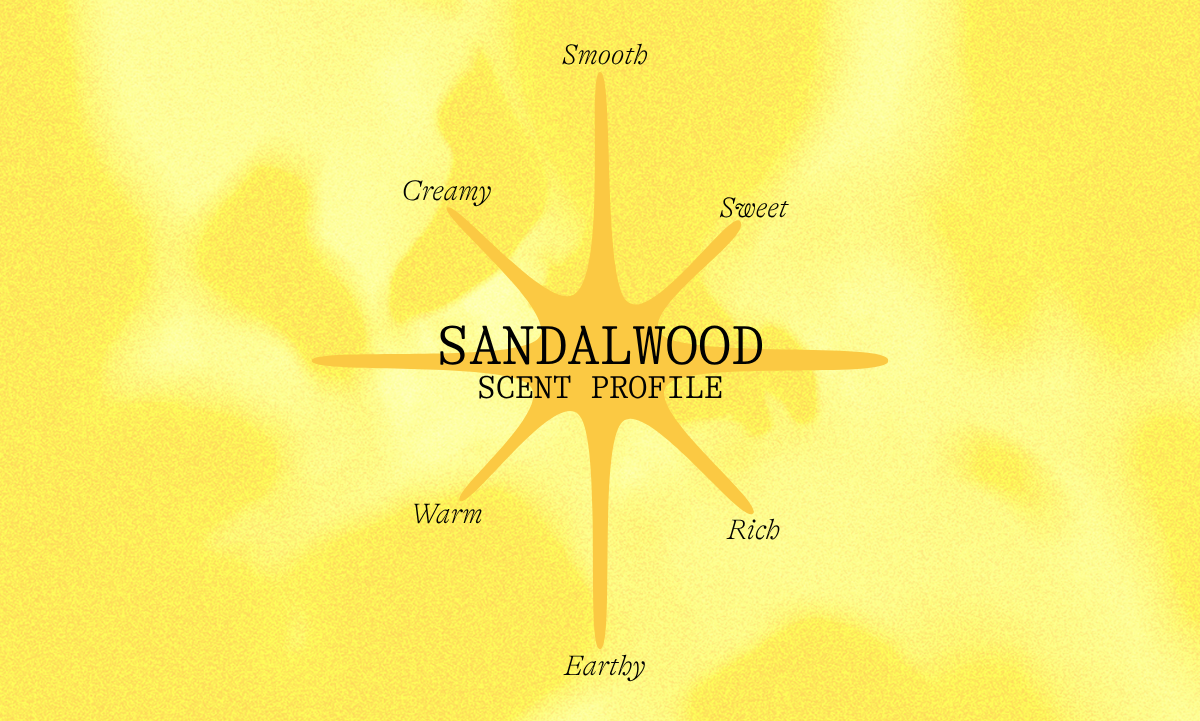
Indian/Mysore sandalwood is known for its smooth, warm, creamy and sometimes sweet woody character. It’s very high in santalols (the molecule responsible for its delicious smell). However unfortunately, since sandalwood trees are very slow-growing, Mysore sandalwood has been overharvested to the point that it is now endangered, so is now quite rare and very expensive as a result.
Australian sandalwood largely shares the same olfactory traits as Indian sandalwood, but on the whole is a more deep, earthy, and has almost a bit of a green edge. It’s lower in santalols, but has other amazing medicinal properties. Due to sustainability initiatives, many led by First Nations farmers, it is more abundant than Indian sandalwood, and therefore more readily accessible.

A SACRED AND USEFUL WOOD
In both Indian and First Nations cultures and traditions, sandalwood is revered as a sacred wood, but more than that, it’s useful!
For Noongar People in Western Australia (where most Australian Sandalwood can be found) sandalwood is bush medicine – the nuts are chewed on to create a paste that can be applied to wounds and joints, which works brilliantly, as the oil has excellent antiseptic and astringent properties. The wood can be burnt as a fantastic insect repellent, and the smoke is also used to ward off bad energy and spirits.
In India, the sandalwood tree is said to be the home of the principal Hindu goddess, Lakshmi, and the
wood has traditionally been used for funeral pyres and building temples.
So in both places, sandalwood, and even moreso, the scent of sandalwood, is an avenue through which people can connect to the divine, which makes it feel pretty special to wear!

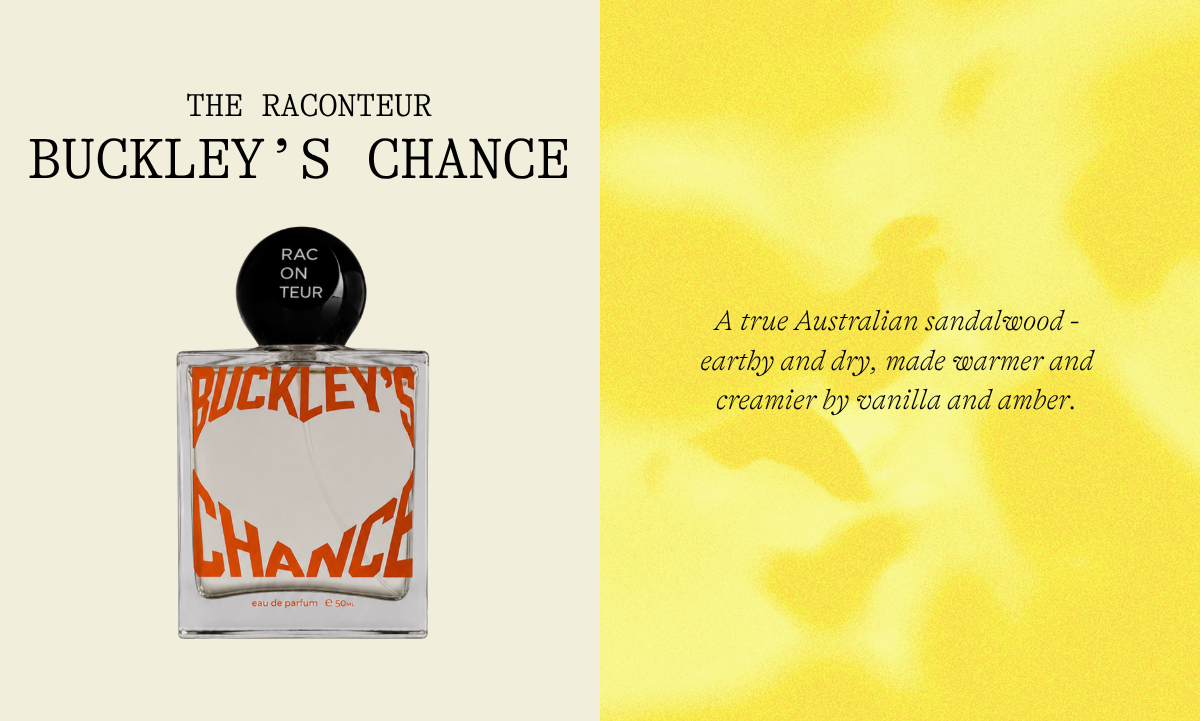
SOME OF OUR FAVOURITE SANDALWOOD SCENTS

WANT MORE? SHOP ALL SANDALWOOD FRAGRANCES HERE.

Lore xx

Shopping Cart
Scroll to Top